Dog Toys
Best Dog Toys for Aggressive Chewers
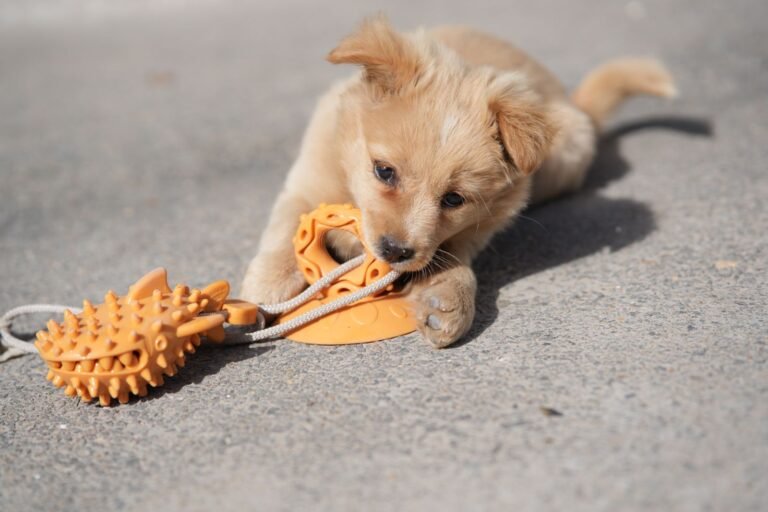
Tired of “durable” toys that last a day? Here’s what actually survives a heavy chewer — and what to skip.
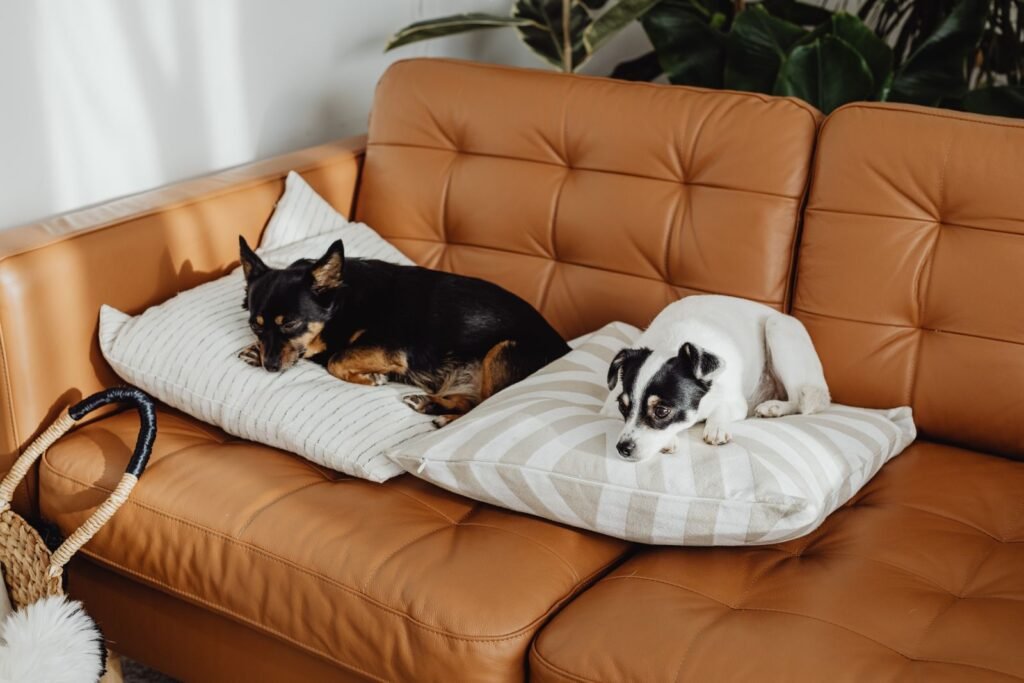
Coming home to a chewed table leg or a shredded couch cushion is frustrating, but furniture chewing is almost always a symptom of something else — boredom, anxiety, teething, or simple lack of an acceptable alternative — rather than a dog being “bad.” Fixing the root cause works far better than just repeatedly saying no.
Punishing chewing after the fact doesn’t teach a dog what to chew instead — it just teaches them to be anxious around you. A more effective approach is redirection paired with genuinely appealing alternatives.
A KONG Classic stuffed with treats or peanut butter is one of the most effective substitution tools available, because it gives a dog something engaging enough to compete with furniture, and the stuffing turns a few minutes of chewing into a longer activity. Keep one in rotation specifically for moments when your dog is likely to seek out furniture — right before you leave the house, or during a period when you can’t directly supervise.
$8–$15 typical price
Nearly indestructible rubber chew toy that’s easy to stuff with treats for extra engagement.
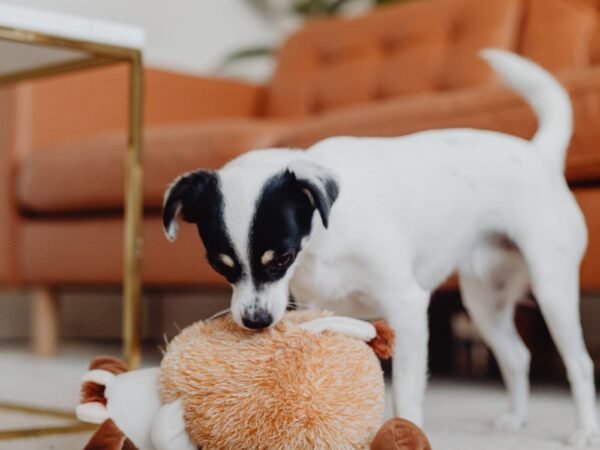
For dogs chewing more out of boredom than teething, a puzzle toy like Outward Hound’s Hide-A-Squirrel adds mental engagement on top of the physical act of chewing, which tends to tire dogs out faster than chewing alone.
$12–$20 typical price
Plush puzzle toy with squeaky squirrels hidden inside — built for mental stimulation, not just chewing.
Avoid physical punishment or yelling after the fact — dogs don’t connect a scolding minutes later to the chewing itself, and it can actually increase anxiety-driven chewing rather than reduce it. Consistency in prevention and redirection works far better than punishment after the damage is done.
Furniture chewing is a solvable problem in most cases, but the fix is almost always “give a better outlet + manage the environment + address the underlying cause,” not just correction after the fact. A stuffed KONG and a genuinely tiring exercise/mental-stimulation routine solve the majority of everyday cases.
Tired of “durable” toys that last a day? Here’s what actually survives a heavy chewer — and what to skip.

Not every brush removes loose undercoat. Here’s what actually reduces shedding, and when to reach for each tool.

Thunderstorms, fireworks, or separation anxiety? What calming chews can (and can’t) do, and what else helps.