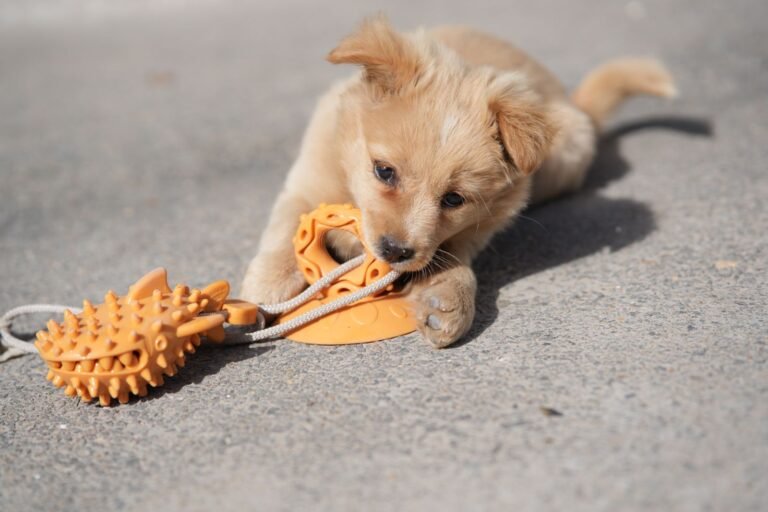
Dog Toys
Best Dog Toys for Aggressive Chewers
Tired of “durable” toys that last a day? Here’s what actually survives a heavy chewer — and what to skip.
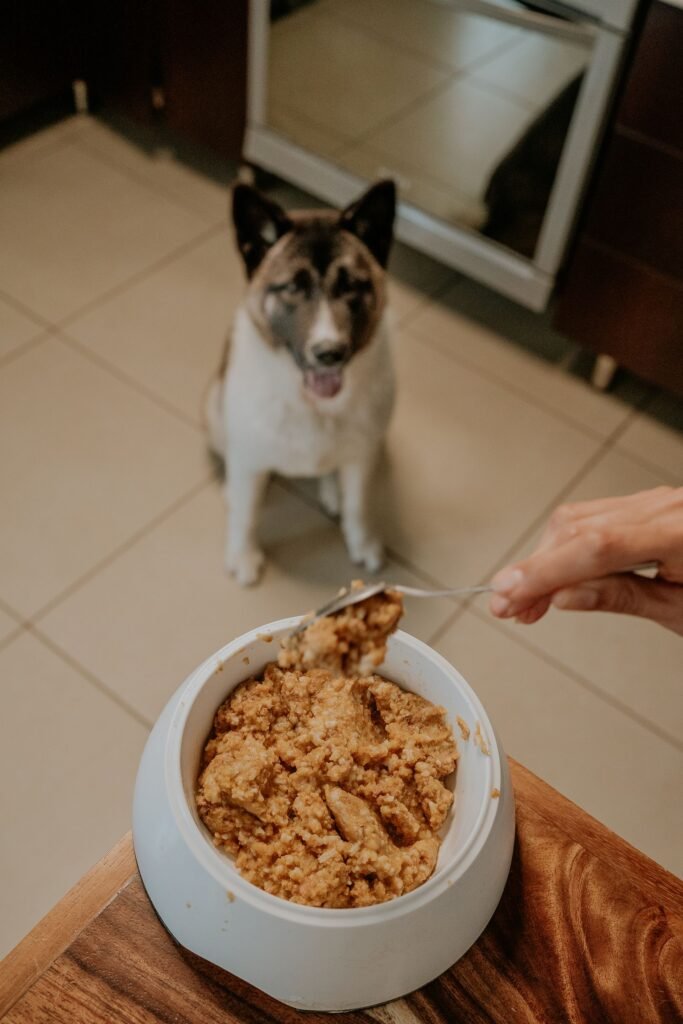
Whether you’re managing an unpredictable work schedule, trying to enforce portion control, or just want peace of mind that your dog gets fed on time even if you’re running late, an automatic feeder solves a genuinely common problem — but not all feeders are built the same.
Prioritize app connectivity so you can adjust or trigger a feeding remotely if you’re running late.
Look specifically for feeders designed to prevent other pets from accessing a dispensed portion, since a shared-access feeder defeats the purpose of portion control.
Portion accuracy matters most here — check reviews specifically for consistency, since even small variance matters for weight-management or medical diets.
Some feeders pair naturally with a camera like Furbo for check-ins, giving both scheduled feeding and visual reassurance in one setup.

$150–$200 typical price
Watch, talk to, and toss treats to your dog from your phone, wherever you are.
Most automatic feeders are designed for dry kibble specifically — wet food generally isn’t compatible with standard hopper-and-auger mechanisms and can spoil if left out on a timer. If your dog eats wet food, look specifically for feeders designed with ice packs or refrigeration for that purpose, or manage wet food meals manually.
Introduce an automatic feeder gradually rather than switching cold — start with the feeder present but hand-feeding for a few days, then let your dog watch it dispense a small portion while you’re home, before relying on it fully while you’re away. This avoids a dog associating the unfamiliar sound and mechanism with anxiety around mealtime.
For busy owners, a reliable automatic feeder solves both scheduling stress and portion control in one device. Prioritize portion accuracy and battery backup above flashier app features — the core job (feeding your dog consistently and on time) matters more than any secondary feature.
Tired of “durable” toys that last a day? Here’s what actually survives a heavy chewer — and what to skip.

Not every brush removes loose undercoat. Here’s what actually reduces shedding, and when to reach for each tool.

Thunderstorms, fireworks, or separation anxiety? What calming chews can (and can’t) do, and what else helps.