
Dog Toys
Best Dog Toys for Aggressive Chewers
Tired of “durable” toys that last a day? Here’s what actually survives a heavy chewer — and what to skip.
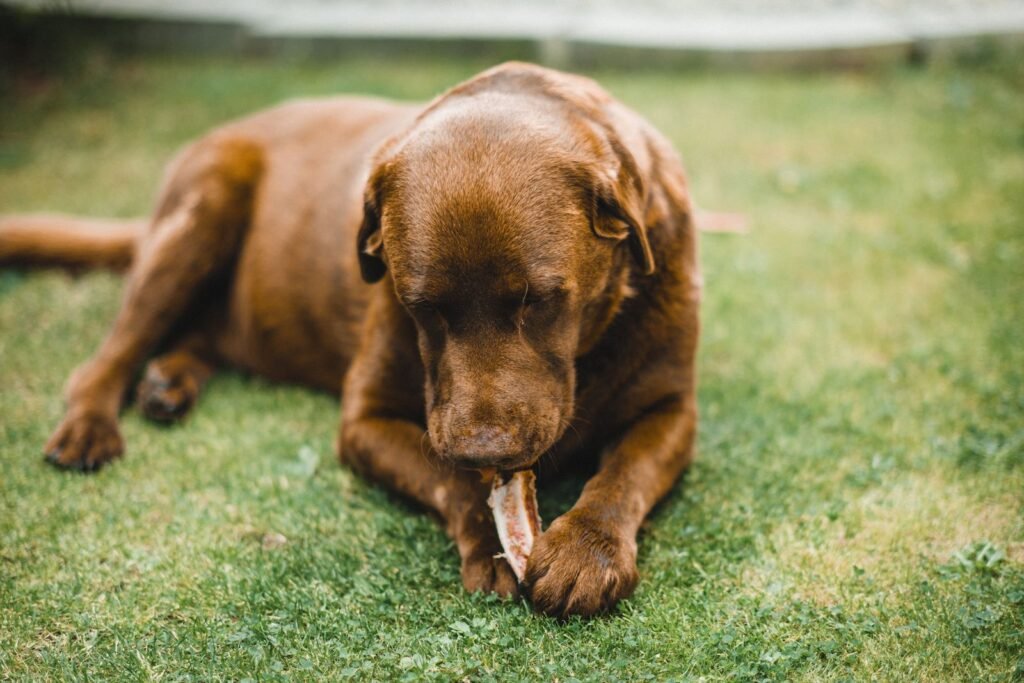
Dental disease is one of the most common health issues in dogs, and it’s largely preventable — but daily brushing is a hard habit for most owners to keep up. Dental chews are marketed as an easier alternative. The honest answer is: some work reasonably well, and some are mostly marketing.
Dental chews reduce plaque and tartar buildup primarily through mechanical action — the physical scraping and chewing motion as a dog works through the treat. This is different from brushing, which physically removes plaque with bristles, but a well-designed chew can meaningfully reduce buildup between brushings, even if it’s not a full replacement.
The Veterinary Oral Health Council (VOHC) independently evaluates dental products against actual plaque and tartar reduction data, and awards its seal only to products that meet a measurable standard — not just marketing claims. This is the single most useful thing to check when comparing dental chews.
Greenies Original Dental Treats carry the VOHC seal, meaning their plaque-reduction claims are backed by independent testing rather than just packaging language. Beyond the dental benefit, they’re also formulated to double as a treat dogs are genuinely motivated to chew through, which matters — a dental chew only works if your dog actually eats it consistently.

Greenies Original Dental Treats
$20–$35 typical price
VOHC-accepted dental chews that clean teeth while your dog just thinks it’s a treat.
Dental chews are typically sized by a dog’s weight, and this isn’t just about portion control — a chew that’s too small gets swallowed too quickly to provide meaningful chewing time, while a chew that’s too large can pose a choking risk for smaller dogs. Always size according to the package’s weight guidance rather than what’s convenient to buy.
Dental chews are still treats, and daily use adds calories to your dog’s diet. For dogs already managing weight, factor the chew’s calorie count into daily intake, or look for lower-calorie dental options specifically marketed for weight management.
For most owners, a combination works better than relying on any single method:
VOHC-accepted dental chews like Greenies do provide a real, independently verified reduction in plaque buildup — they’re not just marketing. They work best as part of a routine that includes occasional brushing and regular vet checkups, not as a total replacement for dental care.
This article is for general information only and is not a substitute for veterinary advice.
Tired of “durable” toys that last a day? Here’s what actually survives a heavy chewer — and what to skip.

Not every brush removes loose undercoat. Here’s what actually reduces shedding, and when to reach for each tool.

Thunderstorms, fireworks, or separation anxiety? What calming chews can (and can’t) do, and what else helps.