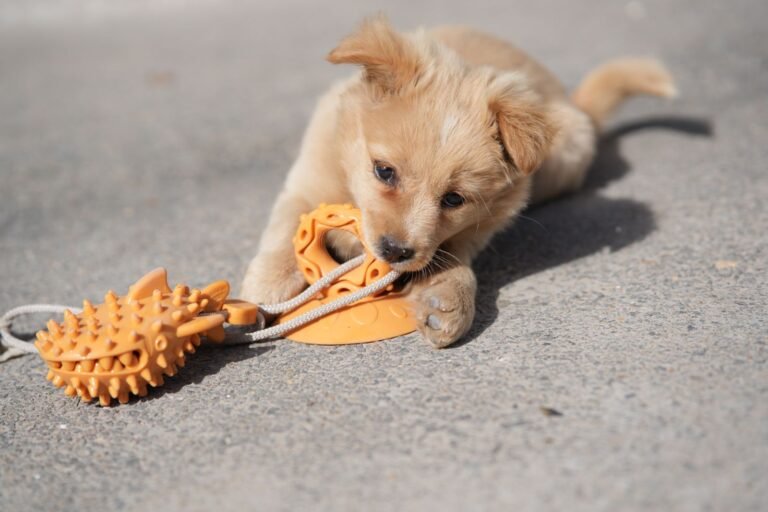
Dog Toys
Best Dog Toys for Aggressive Chewers
Tired of “durable” toys that last a day? Here’s what actually survives a heavy chewer — and what to skip.

A harness that fits poorly does more than just look wrong — it can rub, chafe, allow a determined dog to back out and escape, or fail to actually solve the pulling problem it was bought for. Getting the right type and the right fit matters more than most owners realize.
This is the single most important decision, and it depends entirely on what problem you’re solving.
Front-clip harnesses (like the PetSafe Easy Walk Harness) attach the leash at the chest. When a dog pulls, the harness gently redirects them sideways rather than letting them drive forward with full body weight, which makes it one of the most effective tools for reducing pulling without any additional training. It’s typically the easiest first upgrade from a standard collar.
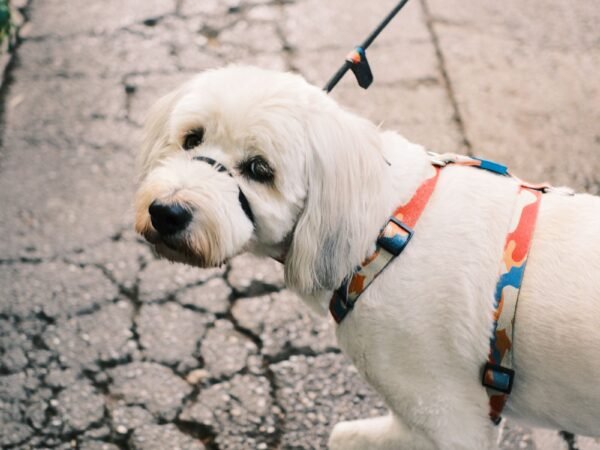
$15–$25 typical price
Front-clip, no-pull harness that’s an easy first upgrade from a collar.
Back-clip harnesses (like the Ruffwear Front Range Harness) attach at the shoulders. These don’t discourage pulling the way a front-clip does, but they’re generally more comfortable for everyday wear, better suited to hiking or running, and put no pressure at all on the throat — a solid choice once pulling isn’t the primary issue, or for dogs who already walk well on leash.

$40–$50 typical price
Padded, durable, and built for everyday adventures — a favorite for active dogs.
Some harnesses, including the Ruffwear Front Range, offer both a front and back attachment point, giving you flexibility to use either depending on the situation.
Most harnesses are sized by chest girth (measured around the widest part of the ribcage, just behind the front legs) rather than by breed or weight alone, since body shapes vary enormously even within a “medium dog” size range. Measure with a soft tape, and if your dog falls between sizes, sizing up is usually safer for comfort, while sizing down is generally safer for escape-prone dogs, since a snugger fit is harder to back out of.
For everyday city walks, a lighter, breathable harness is usually sufficient. For hiking, running, or dogs that spend a lot of time outdoors, a more padded, durable harness like the Ruffwear Front Range holds up better to repeated use and rougher terrain, and the reinforced top handle gives you extra control when needed — stepping over obstacles, crossing traffic, or steadying a dog on uneven ground.
If pulling is your main problem, start with a front-clip harness like the PetSafe Easy Walk. If your dog already walks reasonably well and you want something built for daily wear or outdoor activity, a padded back-clip option like the Ruffwear Front Range is the better long-term fit.
Tired of “durable” toys that last a day? Here’s what actually survives a heavy chewer — and what to skip.

Not every brush removes loose undercoat. Here’s what actually reduces shedding, and when to reach for each tool.

Thunderstorms, fireworks, or separation anxiety? What calming chews can (and can’t) do, and what else helps.